world history – Unit 2
Origins – Southern India and Sri Lanka as Maritime Pioneers
- Grades: 6–8
- Unit Name: Southeast Asia
- Duration: 50 minutes
- Lesson: 1 of 5
- Time Period: 300 BCE - 300CE
- Authors: Thomas C. Henderson & Brooke Pillifant M.A., M.Sc.
Lesson Summary
This lesson introduces students to the origins of Indian maritime cultural expansion, examining how the geography and political independence of southern India’s Tamil kingdoms — the Chera, Chola, and Pandya — created the ideal conditions for a unique seafaring civilization that spread Indian Dharma traditions, political concepts, and artistic traditions across the Indian Ocean world. Students explore how Sri Lanka served as a critical cultural laboratory and stepping stone between India and Southeast Asia, and analyze how peaceful trade and voluntary cultural exchange, rather than military conquest, drove the transformation of Southeast Asian civilizations from 300 BCE to 300 CE.
Southeast Asia unit · Lesson 1 of 5 · 300 BCE – 300 CE
Authors: Thomas C. Henderson & Brooke Pillifant M.A., M.Sc.
Contents:
- Lesson Summary
- Standards Alignment
- Instructions for the Educator
- Introduction to Lesson
- Lesson Plan
- Activities
- Assessments
Standards Alignment
NCSS C3 Standards
- D2.His.1.6-8: Analyze connections among events and developments in broader historical contexts, examining how southern India’s maritime networks enabled cultural exchange across the Indian Ocean.
- D2.Geo.4.6-8: Analyze how geographic factors — coastlines, monsoon winds, and island positions — influenced the cultural and economic development of southern Indian and Sri Lankan societies.
- D2.His.5.6-8: Explain how political independence of southern Tamil kingdoms, compared to northern conquest-based empires, led to different approaches to cultural influence.
- D2.Geo.7.6-8: Explain how monsoon wind patterns created spatial connections between human settlements across the Indian Ocean, enabling the spread of cultural practices.
California (CA) Standards
- CA HSS 7.3.1: Analyze how Asian empires traded with and influenced the development of regional cultures, applicable to southern India’s maritime trade networks.
- CA HSS 7.3.3: Analyze the growth of kingdoms reflecting voluntary adoption of Indian political and spiritual structures by Southeast Asian rulers.
New Jersey (NJ) Standards
- NJ 6.2.8.GeoPP.3.a: Explain how geographic features influenced the development of trade networks and cultural exchange in ancient South and Southeast Asia.
- NJ 6.2.8.EconET.3.a: Explain how maritime trade routes facilitated the voluntary exchange of goods and cultural ideas between Indian and Southeast Asian kingdoms.
Texas (TX) / TEKS
- §113.20(b)(16)(A): Identify the impact of the Indian Ocean trade network on the development of civilizations in Asia, including the role of southern Indian maritime kingdoms.
- §113.20(b)(15)(C): Explain the political, economic, and social effects of the expansion of Indian cultural influence through maritime trade networks.
New York (NY) Standards
- NY SS 7.3b: Examine how cultural diffusion occurred through voluntary trade and diplomacy across the Indian Ocean, focusing on the role of Tamil maritime kingdoms.
- NY SS 7.3c: Analyze how geographic position — especially Sri Lanka’s island location — influenced its role as a cultural bridge between India and Southeast Asia.
Georgia (GA) Standards
- GA SS7H3a: Analyze the peaceful cultural and political impact of Indian maritime trade across Southeast Asia, focusing on the role of the Chera, Chola, and Pandya kingdoms.
- GA SS7G5: Explain how monsoon winds and coastal geography shaped the development of maritime trade networks connecting southern India and Southeast Asia.
Florida (FL) Standards
- FL SS.7.W.2.3: Describe the development of ancient Asian civilizations, including how southern Indian maritime kingdoms expanded cultural influence through trade rather than conquest.
- FL SS.7.W.2.5: Analyze the role of Indian Ocean maritime trade in facilitating cultural exchange between South Asia and Southeast Asia from 300 BCE to 300 CE.
Maryland (MD) Standards
- MD 5.A.1.a: Analyze how maritime trade routes enabled cultural exchange and the development of cosmopolitan societies in ancient southern India and Sri Lanka.
- MD 5.A.2.b: Evaluate how the contrast between northern conquest-based and southern trade-based models of power shaped the cultural legacy of ancient India.
Virginia (VA) Standards
- VA WH1.5a: Explain how cultural diffusion through maritime trade networks connected South Asia and Southeast Asia, with Sri Lanka serving as a key cultural laboratory.
- VA WH1.5c: Analyze how local rulers in coastal kingdoms selectively adopted and spread cultural practices through voluntary trade partnerships rather than military force.
North Carolina (NC) Standards
- NC 7.G.1.2: Explain how geographic features such as coastlines, monsoon winds, and island positions influenced the development of maritime trade networks in South and Southeast Asia.
- NC 7.H.2.1: Explain how individuals and groups — merchants, monks, and artists — transferred and adapted cultural elements through voluntary maritime exchange across the Indian Ocean.
Washington (WA) Standards
- WA SS4.2.1: Analyze how peaceful cultural exchange through maritime trade, rather than conquest, shaped the development of Indian and Southeast Asian civilizations from 300 BCE to 300 CE.
- WA SS4.1.2: Evaluate how the geographic contrast between northern land-based empires and southern maritime kingdoms led to fundamentally different models of cultural influence.
Instructions for the Educator
This lesson introduces students to the origins of Indian maritime cultural expansion, reflecting the historical record that peaceful trade and voluntary cultural exchange — not military conquest — drove the spread of Indian Dharma traditions across the Indian Ocean. Teachers should emphasize the contrast between the land-based conquest model of northern Indian empires and the trade-based maritime model of the southern Tamil kingdoms, and highlight Sri Lanka’s role as a cultural laboratory where Indian traditions were adapted before spreading further eastward.
Introduction to Lesson
Welcome to the world of the Indian Ocean!
Imagine walking through the bustling streets of ancient Bali and hearing Sanskrit chants echoing from Hindu temples, watching shadow puppet shows telling stories from India, yet knowing you’re thousands of miles from the Indian subcontinent. How did Indian culture travel across vast oceans to take root so deeply in Southeast Asian soil? The answer lies not in armies or conquest, but in one of history’s most remarkable examples of peaceful cultural exchange — a process where ideas, beliefs, and traditions spread through friendship, trade, and mutual benefit rather than force.
Learning Objectives
Students will be able to:
- Analyze how southern India’s geography and political independence created ideal conditions for maritime expansion
- Evaluate the role of Sri Lanka as a crucial cultural bridge between India and Southeast Asia
- Assess how political differences (conquest vs. trade focus) led to different forms of cultural influence
Essential Questions
- Why did southern India specifically become the source of maritime cultural expansion?
- How did political independence enable cultural confidence and export?
- What role did Sri Lanka play as a stepping stone for cultural exchange?
Key Terms
- Maritime: Relating to the sea, especially in relation to seafaring commercial or military activity.
- Dharma Traditions: The collective spiritual traditions originating in India, including Hindu, Buddhist, and Jain paths, centered on the concept of cosmic law and moral duty.
- Śaiva Dharma / Vaiṣṇava Dharma / Śākta Dharma: Three major Hindu spiritual traditions focused on the veneration of Śiva, Vāsudeva, and the Divine Mother (Śakti) respectively.
- Cosmopolitan: Including people and cultural elements from many different parts of the world; a society that welcomes diverse peoples and ideas as a source of strength.
- Confederacy: A league or alliance of independent states or tribal groups that maintain their own autonomy while cooperating for common purposes.
- Monsoon: Seasonal winds of the Indian Ocean that blow from the southwest in summer and northeast in winter, which ancient navigators mastered to travel between India and Southeast Asia.
Materials & Technology
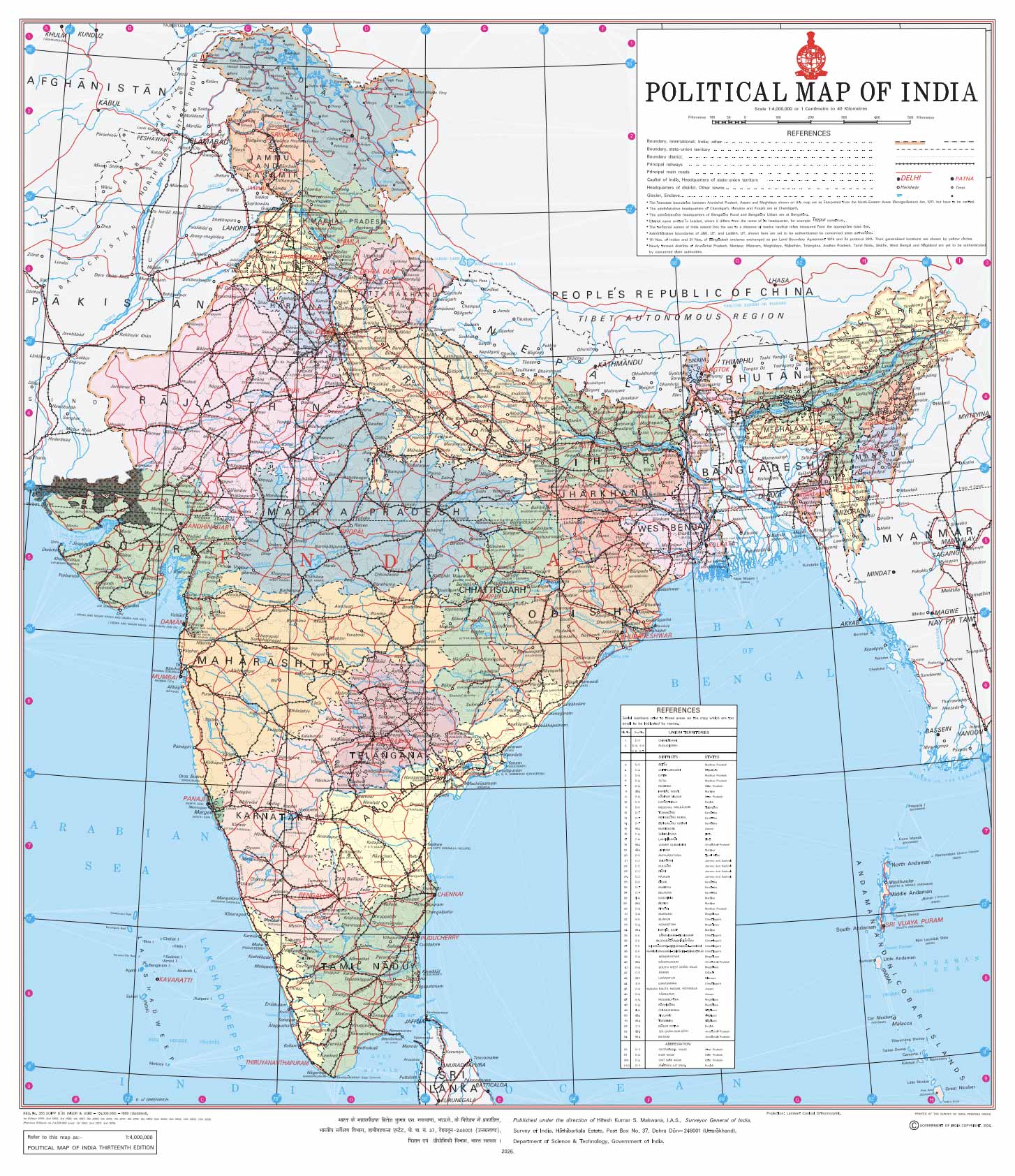
- Map of modern India for student reference
- Idea/Resource Cards for the Harbor of Ideas activity (physical goods and intangible ideas)
- Map of Indian Ocean trade routes for homework mapping activity
Differentiation
Differentiation Strategy Matrix
ELL (English Learners)
Accommodations & Scaffolding: Provide a visual glossary of key maritime and cultural terms with images. Use the map of modern India to pre-teach geographic context before reading the lesson body text.
IEP / 504
Accommodations & Scaffolding: Break the Harbor of Ideas activity into clearly labeled steps. Provide a graphic organizer comparing northern conquest-based vs. southern trade-based models of power.
Advanced / GT
Accommodations & Scaffolding: Research specific Tamil Sangam poetry and connect its themes to the lesson’s argument about maritime cultural exchange. Evaluate the debate question “Was southern India’s focus on trade over conquest a strength or weakness?” using primary source evidence.
Formative Assessment
The Harbor of Ideas classroom activity serves as a formative assessment, with students demonstrating understanding of how maritime trade networks and cultural exchange functioned by simulating trade between the Chera, Chola, and Pandya kingdoms through Sri Lanka.
Lesson Plan
The everyday story of cultural exchange
Think about your daily life — the music you listen to, the foods you eat, the apps you use, even the words you speak. All of these represent cultures mixing and spreading across the world, sometimes by design and with a lot of financial investment and politics, and sometimes peacefully, as people travel, trade, and share ideas with one another. This is how human societies have grown and changed: sometimes through desires for security, power, and economics, and sometimes through simple connection, curiosity, and the basic human desire to learn from each other.
When we study ancient history, we often focus on the dramatic stories of empires conquering territories and armies clashing on battlefields. But it is a spectrum. We can forget that alongside these conflicts, there were always other kinds of people — merchants loading their ships with goods and dreams, scholars seeking knowledge in distant lands, and adventurous families starting new lives across the seas. These peaceful travelers and their networks of trade and friendship often had far more lasting impact on human civilization than the most famous military campaigns.
Ancient India: A Mosaic of Diverse Societies
Imagine walking through the bustling streets of ancient Bali and hearing Sanskrit chants echoing from Hindu temples, watching shadow puppet shows telling stories from India, yet knowing you’re thousands of miles from the Indian subcontinent. How did Indian culture travel across vast oceans to take root so deeply in Southeast Asia, which is thousands of miles away from India? The answer lies not in armies or conquest, but in one of history’s most remarkable examples of peaceful cultural exchange — a process where ideas, beliefs, and traditions spread through friendship, trade, and mutual benefit rather than force.
Around 300 BCE or 2,300 years ago, the land we call “India” was not one unified country but hundreds of different societies living side by side. There were at least 23 major kingdoms and republics — individual countries — and over 400 tribal confederacies. Some of those tribal confederacies were far removed from the kingdoms and republics, and others were included as autonomous regions within a given country.
Picture a vast subcontinent where mountain kingdoms governed themselves differently than river valley cities, where coastal regions developed their own unique approaches to trade and diplomacy, and where diverse Dharma traditions — Hindu, Buddhist, Jain, and countless regional-tribal practices — flourished side by side. Some regions were ruled by powerful emperors, others by elected councils, and still others by loose confederations of tribes who shared resources and decisions. From the snow-capped Himalayas to the tropical southern tip, from the western deserts to the eastern forests, each region had developed its own solutions to the challenges of governance, trade, and cultural life.
This diversity of regions created an equally remarkable diversity of governance systems. In the north, the Mauryan Empire built vast networks of allied kingdoms and autonomous confederations — tribal confederations like those of the Santhal and Kirati maintained their own leadership while participating in broader trade and diplomatic relationships. City-states formed republics where councils of elders made decisions, while tribal confederations governed through assemblies and shared resources across clan boundaries. Some societies organized around river systems and agricultural cycles, others around mountain passes and trade routes. Each system reflected local needs, geographic opportunities, and cultural values. But among all these varied approaches to governance, one particular model was quietly developing the tools and confidence that would soon carry Indian culture across the seas to distant lands — and that transformation would begin with the societies that had learned to master the rhythms of the ocean.
A unique approach: Maritime Societies
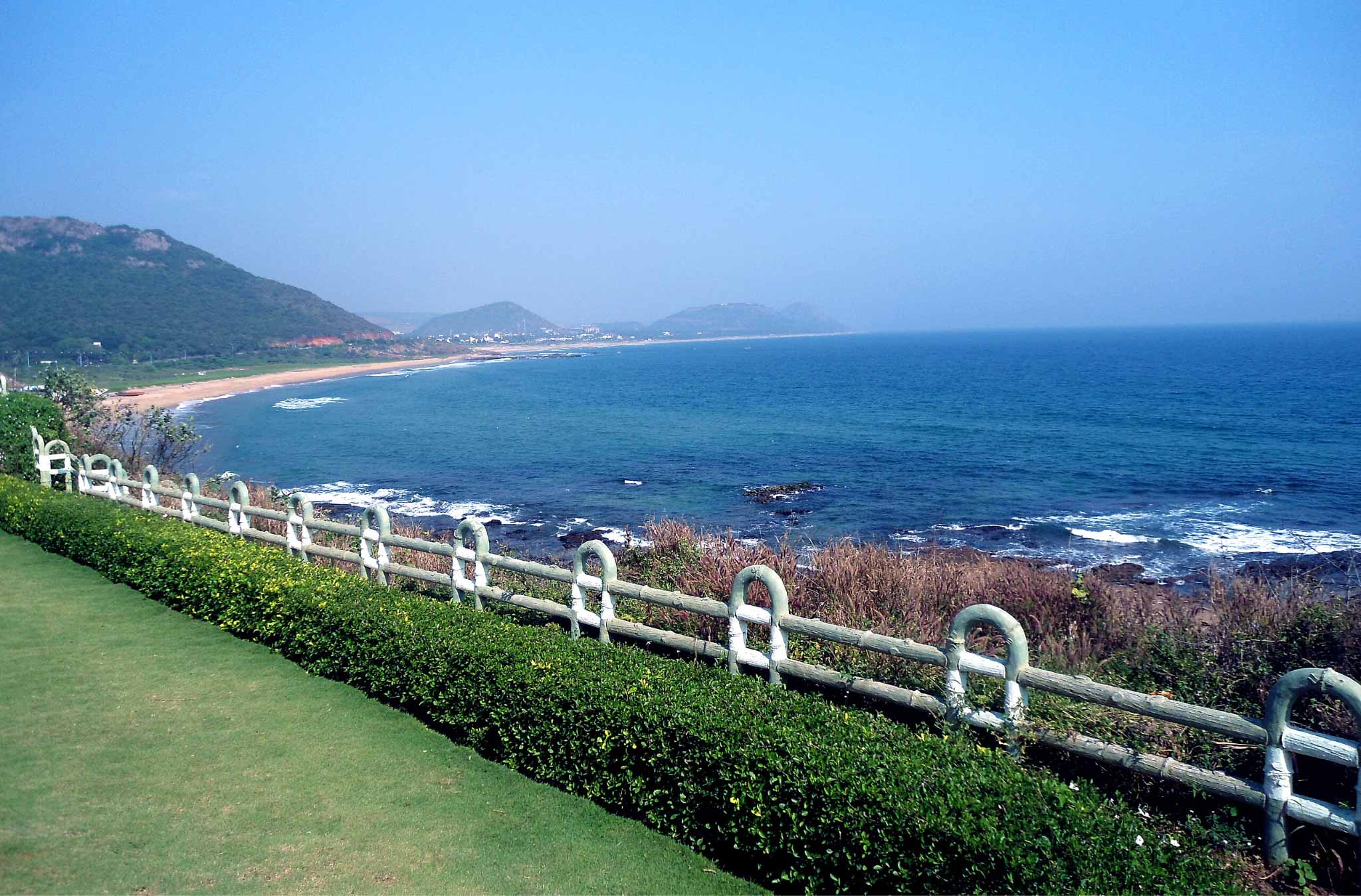
While most ancient societies organized themselves around controlling land — fertile valleys, mountain passes, or strategic cities — the kingdoms along India’s coastlines developed a fundamentally different approach to power. These empires formed from confederations of the tribal territories which existed prior to (and in many cases, continued to exist alongside) them. These maritime societies developed their prosperity not by conquering territory, but by mastering seasonal winds and ocean currents. Instead of maintaining large armies to defend borders, they invested in ships and harbors to host traders from distant lands. Rather than extracting tribute from conquered peoples, they created networks of voluntary partnerships with merchants, craftsmen, and even foreign kingdoms who benefited from their trade connections.
This maritime model of governance required different skills: diplomacy instead of domination, cultural flexibility instead of rigid control, and the ability to adapt quickly to changing opportunities rather than defending fixed traditions. Most importantly, maritime rulers recognized that welcoming diverse peoples and ideas wasn’t a sign of weakness — it was the source of their greatest strength, because in a world connected by water, the societies that could learn and change fastest would ultimately thrive the most.
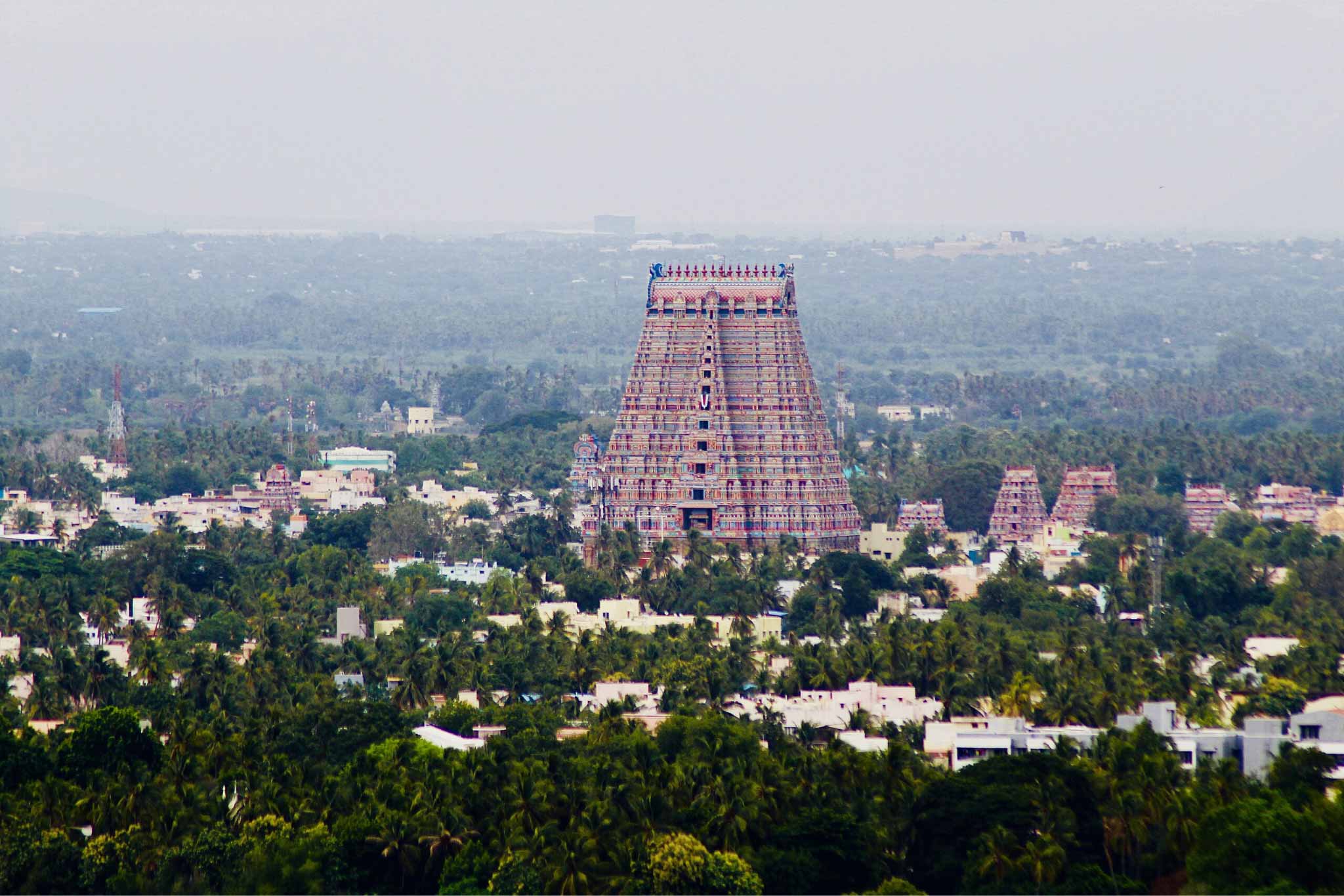
Along India’s vast coastlines, kingdoms like the Chera, Chola, and Pandya (located in areas overlapped by the modern Indian states of Kerala, Andhra Pradesh, and Tamil Nadu) had evolved into something unprecedented in the ancient world — societies that looked to the sea as their highway to prosperity rather than viewing it as a barrier. The Chera Kingdom controlled the lucrative spice trade from their great port of Muziris, where Roman gold coins mingled with Chinese silk and Arabian incense in warehouses that hummed with a dozen languages. The Chola rulers mastered the fertile Kaveri River delta, using its agricultural wealth to fund fleets that sailed the Bay of Bengal, while the Pandya Kingdom became renowned across the ancient world for their pearl divers who could hold their breath long enough to retrieve treasures from the ocean floor. These weren’t just trading posts — they were cosmopolitan societies where temples of the different Hindu Dharma traditions stood alongside Buddhist monasteries, where royal courts welcomed scholars from distant lands, and where religious diversity wasn’t just tolerated but celebrated as a source of strength. Inscriptions in the Egyptian Valley of the Kings from 100CE show that over two thousand years ago, traders from these kingdoms were conducting business and tourism deep in the ancient Roman and Greek empires. Each kingdom developed its own specialties, but all shared a crucial insight: in a world connected by water, cultural flexibility and openness to new ideas weren’t just virtues — they were the keys to survival and prosperity.
Just twenty-two miles off India’s southern coast lay the island that would become the crucial stepping stone for one of history’s greatest cultural exchanges. Sri Lanka occupied the perfect geographic position — close enough to India to maintain constant contact, yet far enough away to serve as a meeting place for merchants from Southeast and East Asia. Here, in the island’s ports and monasteries, merchants and scholars from Indian kingdoms and republics encountered traders from Southeast Asia, China, Greece, Rome, and the Arab world. Sri Lankan kings welcomed Buddhist monks from India while also patronizing Śaiva Hindu temples, creating a unique synthesis of traditions that would prove irresistible to Southeast Asian rulers seeking new sources of legitimacy and wisdom.
The island became a cultural melting pot where diverse Indian ideas about governance, spirituality, and art were tested, refined, and adapted before continuing their journey eastward. What began as trade relationships would soon blossom into something far more profound — a peaceful transformation that would carry Indian cultures across the seas to create some of the world’s most magnificent civilizations, from the temples of Angkor to the rice terraces of Bali.
Discussion Questions
- What is the main difference between how land-focused empires and maritime kingdoms gained power?
- Why was welcoming diverse people and spiritual traditions considered a “source of strength” rather than a weakness?
- Think about your daily life — music, food, or apps. Can you give a modern example of “peaceful cultural exchange” that didn’t involve an army?
- Why was Sri Lanka described as a “cultural melting pot” for Indian ideas before they moved further into Southeast Asia?
- The text argues that peaceful travelers can have a “far more lasting impact” on civilization than military campaigns. Do you agree or disagree? Why?
Activities
Activity: The Harbor of Ideas
Preparation (5 minutes)
Print/Create Cards: “Idea/Resource Cards.” Half should be physical goods (Spices, Pearls, Silk, Gold) and half should be “Intangible Ideas” (Sanskrit compositions, Shadow Puppetry, Dharmic Philosophy, Architectural Designs).
Set up the Harbors: Designate three corners of the room as the Chera, Chola, and Pandya kingdoms.
The Hub: Place a small table in the center or near your desk to represent Sri Lanka, the “Cultural Melting Pot”
Read to students: Instead of looking at soldiers, today we are studying maritime pioneers. The kingdoms of Southern India grew by mastering the winds and opening their doors to the world. You are now part of a network where networks and trade are more powerful than any army.
Divide the class into the following groups:
- The Kingdoms (3-4 students per kingdom): Build the most “Cosmopolitan Society” by collecting the most diverse set of cards.
- The Merchants (Pairs of 2 students): Travel between kingdoms to trade ideas for resources. Each pair is given 3 Idea Cards.
- Sri Lanka (Hub) (2 students): Act as translators and “Quality Control”, they have a Stamping Station or specific Bonus Cards.
The Open Harbor (10 Minutes)
- Kingdoms must stay at their stations. They must convince Merchants to visit them by explaining why their harbor is “safe”, “prosperous”, or “welcoming”. They must also try to establish a friendship with the merchants, and vice-versa, to establish a reliable network.
- Merchants visit kingdoms to trade one “Idea Card” for one “Resource Card.”
- The Sri Lanka Rule: Before a Merchant can take an “Idea” to a new kingdom, they must stop at the Sri Lanka station to “refine” it (get a checkmark or a sticker), simulating how ideas were tested and adapted there before moving eastward.
The Monsoon Shift (5 Minutes)
- Announce to students: “The seasonal winds have changed!”
- Block off certain paths. For example, tell Merchants they can only travel in a clockwise circle.
- Kingdoms have a challenge and must now use diplomacy, and adapt to making new friends. If a Merchant can’t reach them, the Kingdom must offer a “better deal” (e.g., 2 resources for 1 idea) to make the difficult journey worth it for the Merchant.
The Assembly (5 Minutes)
- Stop all trading. Have each kingdom count how many different types of cards they have.
- The kingdom with the most variety, not the most total cards will win, because they have achieved the highest level of “diverse commodities and ideas”, the hallmark of pluralistic societies.
- To wrap up, tell students, “Notice that no one had to fight to get what they wanted. By being open and adaptable, you turned your small harbors into centers of world culture. This is how Indian traditions reached places like Bali and Angkor, not through force, but through the ‘simple human desire to learn from each other’.”
Assessments
Homework
Part 1
Using the map provided (Page 2), complete the following mapping tasks on a separate sheet of paper or a digital map tool:
- Select your port of origin and draw a star on one of the maritime kingdoms mentioned in the text. Choose either the Chera (modern Kerala), the Chola (Kaveri River delta), or the Pandya (southern tip).
- Draw a solid line from your chosen kingdom to the island of Sri Lanka, located just 22 miles off the coast. Label this “The Cultural Melting Pot”.
- Extend your line from Sri Lanka across the Bay of Bengal toward the Andaman and Nicobar Islands, and finally toward Bali or Angkor in Southeast Asia.
- Draw arrows indicating the “seasonal winds” that maritime societies mastered to navigate these waters.
Part 2
As you prepare your ship for departure, list the “Cargo of Ideas and Goods” you are carrying. Your list must include:
- Physical Goods: List at least two items you are trading (e.g., spices from Muziris, Roman gold coins, or pearls from the ocean floor).
- Cultural Ideas: List two traditions you are taking with you to Southeast Asia (e.g., Sanskrit compositions, shadow puppet stories, or Buddhist/Śaiva Hindu philosophies).
Part 3
Write 150-200 words from the perspective of a traveler arriving in Bali after months at sea. Be sure to include:
- Describe the feeling of walking into a bustling street thousands of miles from home and hearing your own familiar Sanskrit chants or seeing your own stories performed.
- Explain why your culture was able to take root so deeply in this new soil. Was it because of an army, or because of “friendship, trade, and mutual benefit”?
- Based on what you learned about maritime governance, why was it a “source of strength” to welcome diverse people into your harbors along the way?
Part 4
In one sentence, answer the following: How does your map prove that the sea was a “highway” rather than a “barrier” for ancient Indian societies?
Teacher Reference: Key Content
“Two Indias” Contrast:
- Northern Indian empires (Mauryan under Chandragupta) focused on land conquest and political control
- Southern Tamil kingdoms (Chera, Chola, Pandya) remained independent and developed sophisticated maritime trade networks
- Geographic advantages: extensive coastlines, natural harbors, monsoon knowledge
Northern Networks (Mauryan-era):
- Core zones of direct imperial control around major cities and trade routes
- Peripheral partnerships with autonomous groups like Santhal and Kirati confederations who maintained their own governance while participating in broader economic and diplomatic networks
- Land-focused expansion but through alliance systems rather than total conquest
Southern Networks (Tamil kingdoms):
- Maritime-centered networks connecting Tamil core regions with coastal trading partners
- Similar federated relationships with hill tribes, forest communities, and neighboring chieftains who retained autonomy while engaging in trade and cultural exchange
- Seaborne expansion through merchant partnerships and cultural influence rather than direct political control
Sri Lankan Bridge:
- Strategic position between India and Southeast Asia
- Cultural laboratory where Indian-Sri Lankan synthesis created templates for later expansion
- Buddhist monasteries and Śaiva, Vaiṣṇava, and Śākta temples as cultural centers
Cultural Export Package Development:
- Spiritual traditions (Śaiva, Vaiṣṇava, Śākta, Smārta, and Buddha Dharma traditions)
- Political concepts (divine kingship models)
- Artistic traditions (architecture and sculpture)
- Commercial practices (trade protocols and merchant networks)
Primary Sources:
- Tamil Sangam poetry excerpts describing overseas trade
- Brief passages from Periplus of the Erythrean Sea
- Early Buddhist chronicles (Mahavamsa) on Indian-Sri Lankan relations
Key Individuals:
- Chandragupta Maurya (contrast figure)
- Tamil Sangam poets (collective)
- Ancient Tamil kings (Chera, Chola, Pandya dynasties)
Debate Opportunity:
“Was southern India’s focus on trade over conquest a strength or weakness?”
Social Studies
Unit 1 – Grade 1
Unit 2 – Grade 5
English Language Arts
Unit 1 – Grades 3 – 5
Unit 1 – Grades 6 – 8
Unit 2 – Grades 6 – 8
World Geography
Unit 1 – Grades 7 – 8
Ethnic Studies / US History
Unit 1 – Grades 9 – 12
Unit 2 – Grades 9 – 12
NEED HELP?